Jumbunna 25th October 2024
165

A Message from Ken and Jayne
Colour Run
What a fabulous day for the colour run! Everyone who participated had a lot of fun, particularly the volunteers spraying the colours and JHC who slimed Mr Jones.
The run raised approximately $11500 with 213 students raising money from preschool and school.
This was a fantastic effort and the money will go towards a Ninja Course on the edge of the oval.


Thank you to Kirsten, Amy, Tash and all the volunteers on the day.
Energy Breakthrough News
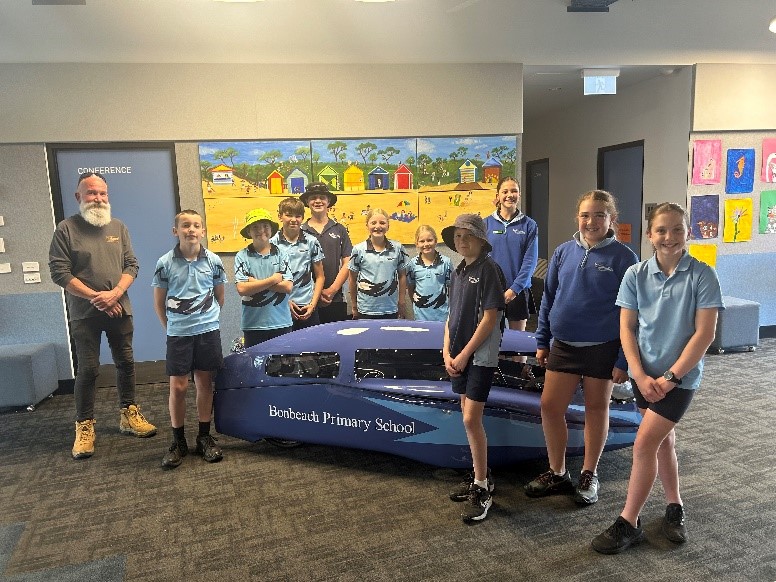
The Human Powered Vehicle team were very excited yesterday when Andrew Forbes delivered our completely refurbished HPV for the upcoming 3 day event in Maryborough next month. Andrew, one of our parents, has spent hours completely rebuilding the vehicle. The team members are extremely grateful and eagerly look forward to racing it at Maryborough!
From Worrier to Warrior: Empower Your Kids to Manage Their Worries And Thrive.
It's easy to feel overwhelmed when your child is anxious, but there are many things you can do to help. These seven tools and ideas will help calm even the most apprehensive children.
Facing fears is a natural part of childhood. Fear of the dark, spiders in the toilet, and being left alone are valid for young children.
Kids generally grow out of these fears.
But some children’s fears and worries don’t dissipate with age. They ramp up, making worrying become a complex behaviour to break.
Worriers need to be handled sensitively.
Young worriers benefit from sensitive, understanding adults who can support them, rather than implore them “not to worry”.
Encouragement is an essential tool for parents of worriers and anxious kids.
They also need practical, real-time tools to help them cope and build their strengths to minimise their impact.
These seven tools, ideas and strategies will help you transition your child from a young worrier to a social and learning warrior:
- Take their worries seriously.
“Get over it” may have been a standard response to a child’s worries a generation ago, but not now.
- Let your child know that their concerns are real to you and that you’ll support them in overcoming their worries and fears.
- You may not understand why a child or young person worries about something. But recognise that their worry or anxiety is real.
- Involve them in developing a plan to help them manage their fears and worries when they emerge.
- Give their worry a name.
Giving a worry a name makes it feel less scary and more manageable.
My favourite picture storybook for toddlers, ‘There’s a Hippopotamus on Our Roof ‘ by Hazel Edwards, personifies fear of the dark as a friendly hippo. It's much more friendly and accessible to boss around if you’re a child.
- Invite your child to give their worry, fear or anxiety a name or alter ego.
This method works for teenagers too.
A young person I know calls his pre-football match nerves Neville. Before playing a football game, he says hi to Neville just as he would a friend. Giving his nerves a nerdy name, reduces their power and helps put him back in control.
- Put their worries in a jar.
Wouldn’t it be fantastic to lock your worries in a safe and throw away the key?
As an adult, you can do the next best thing- take time out to relax by reading a book going for a walk, taking a bath or some other form of relaxation..
Many children need more practical ways to stop them from worrying. Here’s a simple idea but practical idea:
- Invite them to write their worries on paper and put them by the side of the bed at the end of the day. Young children can lock them in a jar.
Writing down their worries brings them out of the shadows and into the light, where they are less scary.
Kids often find that their worries have dissipated or disappeared (or, more likely, escaped from the jar) when they wake up the next day.
- Limit the time they talk about their worries.
It’s healthy for children and teens to talk about their worries, but not to the extent that they catastrophise. Sometimes, talking about their anxieties must be contained so their fears don’t become all-consuming.
- Set aside ten minutes daily to talk about their worries and then put worry time aside until tomorrow.
- Avoid revisiting their worries, “We’ve discussed that already. Let’s talk about something else.”
Similarly, worriers frequently seek parental reassurance that everything will be okay. However, be careful not to continually reassure them that everything will be fine. Continual reassurances often make their fears worse.
- Normalise their concerns.
Anxiety expert Dr. Jodi Richardson says that children who experience anxiety or continually worry often feel that “there is something wrong inside.”
Reinforce that it’s common to worry about giving a speech, be nervous about going to a party when they don’t know anyone, or be anxious about returning to school after the holidays.
Knowing that others experience their concerns can be a source of reassurance, as many worriers think they are the only ones who worry.
- Prioritise their worries.
Worrying is energy-sapping and takes up a great deal of time.
- When they feel overwhelmed, ask them to write down all their worries on a sheet of paper. Then, suggest they list their concerns from biggest to smallest.
This helps them put things into perspective and feel they have some control over the things that worry them or make them anxious.
- Help them find the tools to relax.
This writer relaxes in front of the TV, which is sufficient to take my mind off my worries. I also love to walk when anxious; fresh air and exercise always calm me down.
However, some people need more tools, including mindfulness, meditation and time in nature, to help them relax and calm their minds.
Work with your child to identify the best way to relax and distract them from their worries. Every child relaxes differently, so it helps to experiment to find out what works.
Finally….
Worriers can function well at school, work, and in the community. But without adult assistance and early intervention, their achievements can come at a high cost to their mental health and well-being.
Also, worrywarts are hard to live with as kids and also adults. Their worrying ways can make them difficult adult partners and friends.
Fortunately, there’s a great deal you can do to help.
Childhood is the ideal time to give natural-born worriers practical anxiety-management tools and strategies to make their lives more tolerable for themselves and those around them.

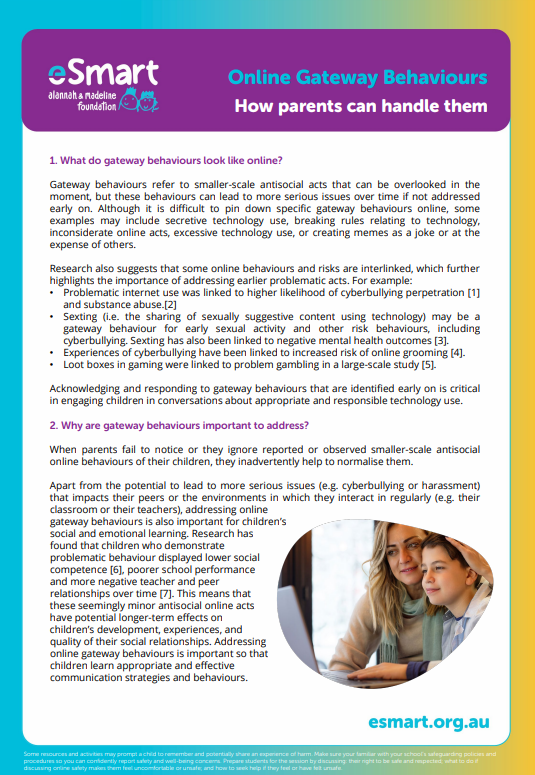
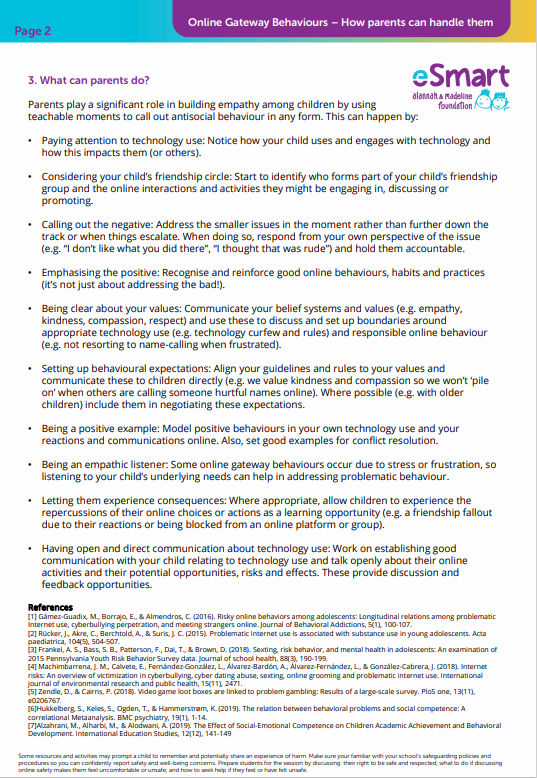
Online Behaviour at Home

Premier's Reading Challenge
We are excited to announce the fantastic achievements of our students who participated in this year’s Premier’s Reading Challenge. The challenge encouraged a love of reading and provided an opportunity for students to explore a wide range of books.
A huge congratulations to all of the students who took part, and an extra special shout-out to those who successfully completed the challenge! Your commitment to reading is something to be truly proud of, and we are so pleased to see your hard work pay off.
Students who completed the challenge will receive their certificate at this week's assembly.
Congratulations to:
Marlon Hovic, Charli Woodyard, Summer Sango, Axel Hetherington, Mackenzie Muir, Leo Chiovitti, Jamie Danko, Jack Woodyard, Audrey Griffiths, Natalie Heywood, Grace Johnston, Carter Eckard Plowright, Aurora Giacomantonio, Gemma Borrett, Eve Cooper, Dylan Stefanovic, Sylvie Wood, Ruby Woodyard, Andrew Heywood, Lucinda Sango, Emma Geritz, Elton De Zilwa, Elizabeth De Costa, Layla Muir, Leota Fleming, Samuel Danko, Isabelle Walker, Olivia Lee, Louiza Yalousi, Helena Moravek, Addison Sanders, Lennon Kroneberger, Gabriel Udovich, Hiro Beets.

Farmers' Market News
Happy 10th Birthday to Bonbeach Farmers' Market
On Sunday, October 13th, we gathered to celebrate a significant milestone, the 10th birthday of the Bonbeach Farmers' Market! The event drew an incredible 2,120 visitors who came to enjoy a vibrant day filled with delicious food, fresh produce, and a sense of community.
With over 80 stalls showcasing the best of local offerings, attendees were treated to a feast for the senses. From mouth-watering treats to unique handmade goods, there was something for everyone. Our birthday cake was a highlight, sharing the sweet moment with friends and neighbours.
Special thanks to our generous stallholders who donated fantastic raffle prizes, and to our talented busker whose performances added a festive atmosphere to the day. Hut building was enjoyed by our budding little builders and architects, and the silent disco was a buzz with sparkles and fun.
We extend our heartfelt gratitude to the amazing volunteers who lent a hand to ensure the day ran smoothly. Your dedication, and that of many families across the years, are the backbone of this market, and we couldn't do it without you.
Most importantly, thank you to our wonderful community. Your support over the past decade has been invaluable. It is because of you that the Bonbeach Farmer's Market has become a thriving hub of connection and local culture. Here’s to many more years of fresh produce, great food, and community spirit!
See you at the next market on Sunday 10th November!

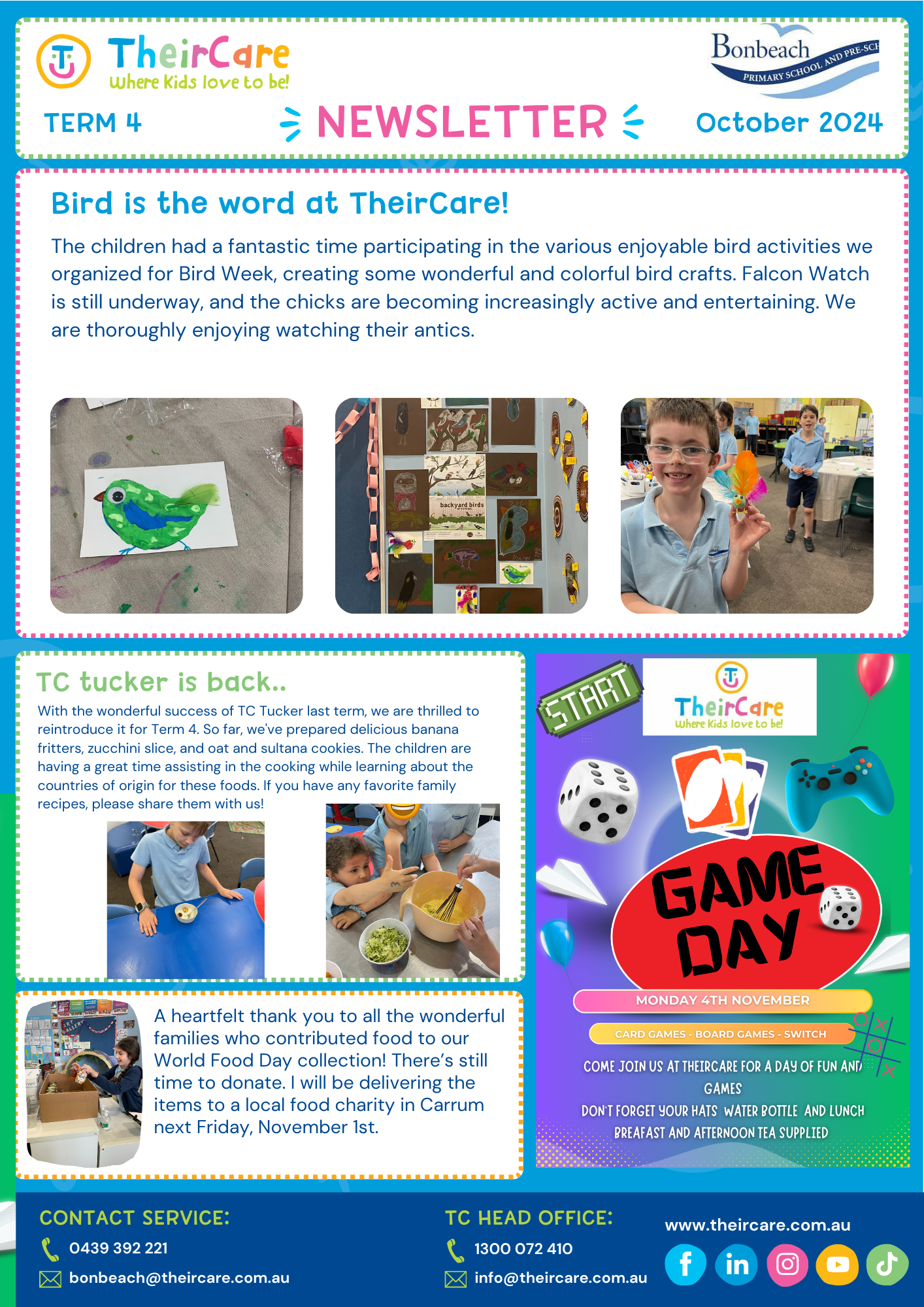
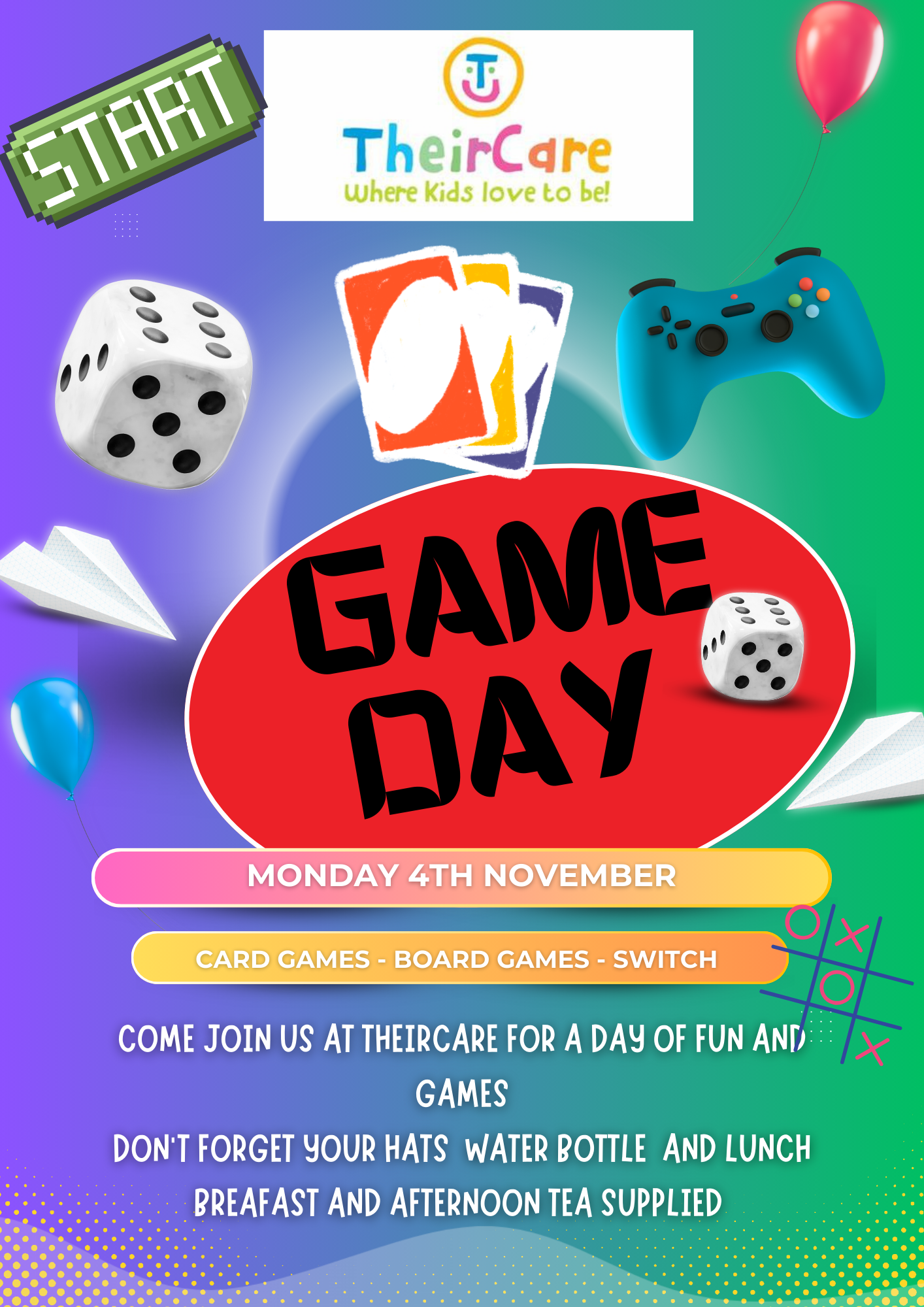
Theircare News

Dyslexia Awareness Month
October marks Dyslexia Awareness Month, a time to increase understanding and support for individuals with dyslexia. Dyslexia affects about 1 in 5 people, impacting their ability to read, write, and spell. While it presents challenges in areas like decoding words or spelling, it is not linked to intelligence. In fact, many people with dyslexia excel in creative thinking, problem-solving, and verbal communication.
Recognising the signs of dyslexia early can make a big difference. Signs might include difficulty with reading fluency, trouble remembering sequences, or avoiding reading tasks. If identified, students can receive targeted support such as multi-sensory teaching approaches, tailored reading interventions, and assistive technology like text-to-speech tools.
At our school, we are committed to creating a supportive learning environment for all students, including those with dyslexia. We provide adjustments like breaking down tasks, offering extra time, using visual aids, and fostering a classroom culture that celebrates the diverse ways in which students learn. We also encourage families to reach out if they have concerns or need resources about dyslexia. Together, we can ensure that every student feels empowered and capable of achieving their best.
By raising awareness and offering support, we help students with dyslexia build confidence, develop effective learning strategies, and unlock their potential. Let’s celebrate the strengths and successes of all learners this month and beyond!
For further information around supporting and understanding dyslexia, check out the following web pages.
https://dyslexiavictoriasupport.com/
Nessy is offering free parent training if you register before October 31st
https://www.nessy.com/en-gb/product/understanding-dyslexia-free-for-dyslexia-awareness-month-2024

Dates to Remember

Student of the Week

Community Announcements