Jumbunna 20th July 2023
114
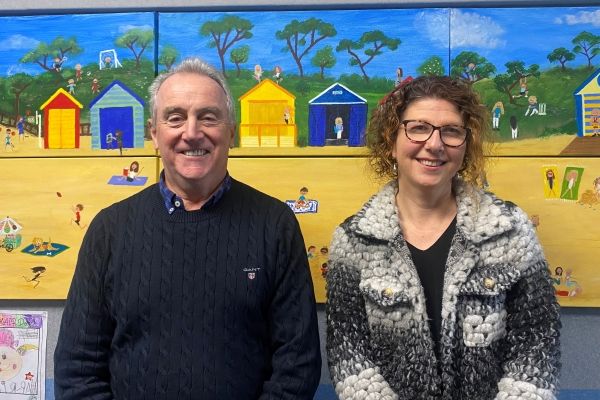
A Message from Ken and Jayne
Newsletter, Term 3, Week 2
Showcasing Bonbeach Primary’s Commitment to Indigenous Culture
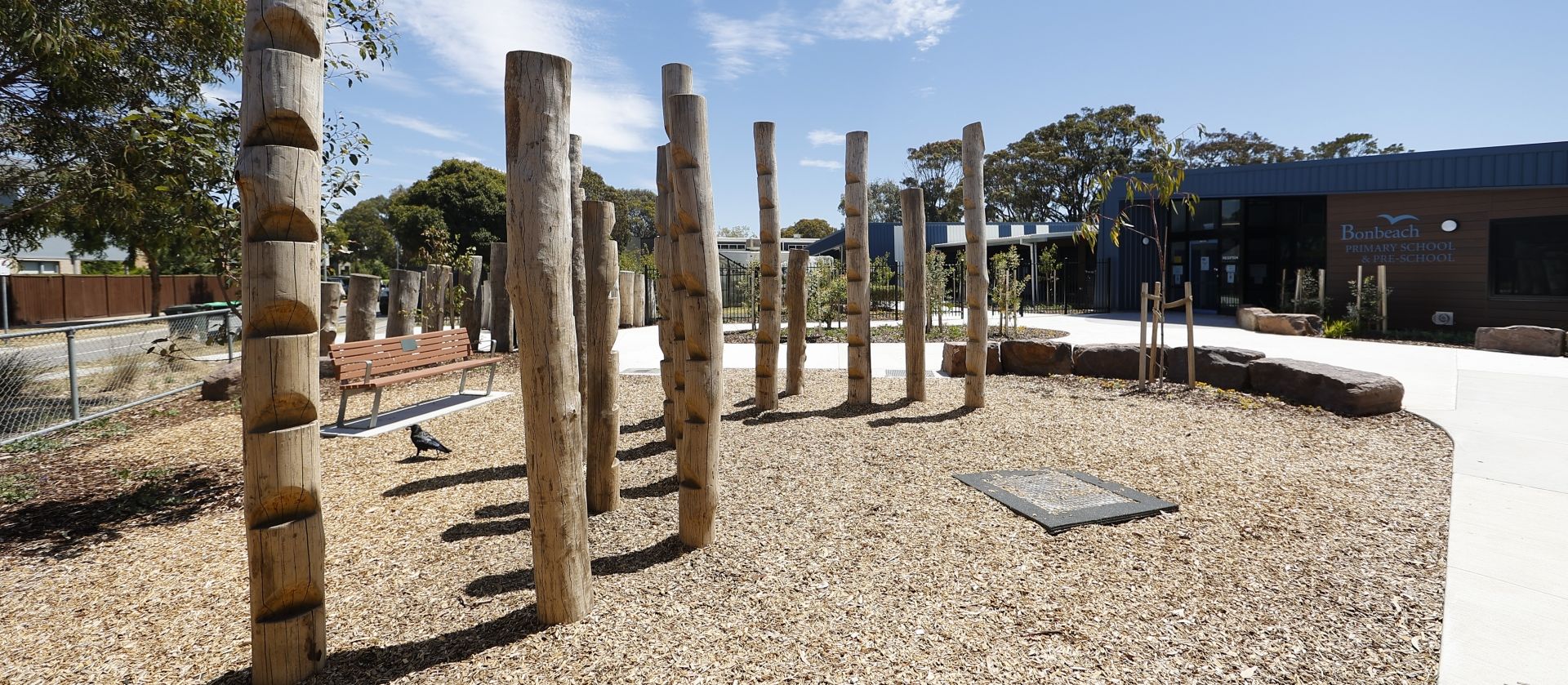
The May opening of or Indigenous Edible Garden and our Indigenous Inquiry focus was showcased in Edible Eden Design’s July publication. Click on the link below to read the fantastic article and view the photographs of students enjoying the May ceremony.
https://edibleeden.com.au/bonbeach-primary-school-bushfood-garden-opening/
Parent Teacher Conferences
Thank you for taking the time to meet with your child’s teacher on either Tuesday or Thursday afternoon to discuss their progress, achievements, and future goals. The impact of attending these meetings have a far greater result than just keeping up to date with your child’s progress.
Research has found that parental or family involvement in school-based learning activities is correlated with improved student outcomes. Parent involvement has a larger effect on student academic achievement than most other interventions and is more strongly connected to achievement and attainment than the family’s socioeconomic background, ethnicity, or family structure. Parental involvement is associated with better psychosocial adjustment and higher academic achievements, particularly in students aged 7 to 11.
A strong partnership between home and school results in:
- Improved student outcomes/achievement, in some cases
- Higher homework completion rates, more time spent on homework, and more effective learning through homework
- Students’ self-regulation, social skills, better behaviour and discipline
- Lower drop-out rates and better attendance
- Students’ positive engagement with peers and adults, and enhanced relationships between parents, teachers and students
- Increased feelings of competence or capability, positive engagement with learning and motivation to learn, persistence, and mastery goal orientations in which students seek challenging tasks and persist with academic challenges
- High student aspirations with regard to education, and a greater likelihood of enrolling in higher education
These are outcomes that we aspire to achieve for every child and we appreciate your assistance with helping us achieve the very best for your child.
Wear Your PJs Tomorrow to Support National Pyjama Day
It is the perfect weather to rug up in your favourite snuggly PJs at school tomorrow and bring a gold coin to support National Pyjama Day.
Funds raised will help support the Pyjama Foundation raise much-needed awareness and funds for children in foster care. With the money raised from National Pyjama Day, we'll be helping offer learning skills to more than 1,000 foster children, fund educational resources and help provide stable, positive relationships.
Why you shouldn’t compare your child’s school performance to others
Dr Selina SamuelsFriday,
In an education environment that places an emphasis on summative assessment (the ATAR is the obvious example), it is not surprising that comparing students with one another is so common.
Perhaps it’s also human nature; we are all trying to determine what is normal. The important thing to realise is that “normal”, like everything else, is a spectrum.
There’s a lot of comparison that goes on from the moment of a child’s birth (“doesn’t he look like me?”). Second and all other “subsequent” children are compared with their siblings. If you’re sufficiently lucky to be part of a large extended family, there are so many opportunities for comparison that the process is likely to extend throughout your life.
It is also the nature of social media that we are in the collective grip of mania for comparison and competition. Given how much information parents are constantly sharing about their children, it is hardly surprising that parents have a tendency to anxiously scrutinise other children for evidence that their own child measures up.
At the same time, we all really know that this is nonsense.
Every child is different. Rolling your eyes internally when your cousin enumerates little Herbert’s precocious sporting talents or your colleague tells you in detail about young Esmerelda’s remarkable gift for recall may be the most sensible response.
The process of learning and academic progress are not straight trajectories. A good way to understand this comes from language learning. For a long time, it was considered that children should only learn to speak in the one language. This view was based on the observation that children who learned to speak in two languages often took longer to reach the same level of fluency in one language as monolingual children. We now understand, however, that a minor delay in reaching fluency has no long-term negative impact on fluency and literacy. In fact, there is overwhelming evidence that learning at least two languages as early as possible has enormous cognitive benefits. So, if we were to judge a child based entirely on whether she has achieved a specific benchmark at a particular time, we might miss the fact that she is actually on quite a different learning journey from the children around her.
Children are not only the product of their unique DNA and environment. They are also themselves.
Parents of more than one child will often comment on the differences between their offspring; how each of their children came into the world as a fully-formed personality. If parents can’t expect their own children to be similar to one another, why are they so concerned about how their child tracks according to the achievements of other, unrelated children?
In addition to such comparisons being misleading and irrelevant, they can also be deeply harmful to your child’s sense of self. The culture of “best” tells children that they have fixed identities; that they each slot into a fixed spot on a list of achievement. If they change their spot, it is only to be better or worse than the others on that list. What a limited way to measure a life!
If you compare your children to others, what is the likelihood that they won’t follow suit?
Perhaps it will form the basis of your conversations with their teachers at parent-teacher interviews. Notice the difference in tone between the questions, “How are my son’s test results compared to the rest of the class?” and “Do you think there are gaps in my son’s mathematical understanding that require attention?” The first problem alluded to is one that your child cannot hope to overcome on his own – it involves the rest of the class. The second is unique to your child’s learning and can be tackled as such.
If the comparison means that your child is always rated higher than others, this can also be destructive.
Carol Dweck (of Growth Mindset fame) has demonstrated that when students see themselves always at the top of these achievement lists, they are more likely to see their ability as fixed and will interpret even a minor setback as a statement of complete failure. For example, having believed themselves to be the most intelligent child in the room, any indication that they are not the best at something signals to them that their self-belief is fraudulent. Not only are they not the most intelligent child in the room, they may actually be stupid.
So, wherever your child may sit on each of the many comparison lists (when they walked, when they talked, how pretty they are, what ATAR they got, how much they earn, how many children they have, how often they ring you…), they will never make anyone happy.
And remember, if you let your child know that you compare her to her peers in terms of academic achievement, you are weakening your own position. The next time she says, “All my friends are allowed to stay out until midnight,” you will not be able to respond with the great parental fallback, “You are not all of your friends.”
regards
Ken & Jayne

Dates to remember
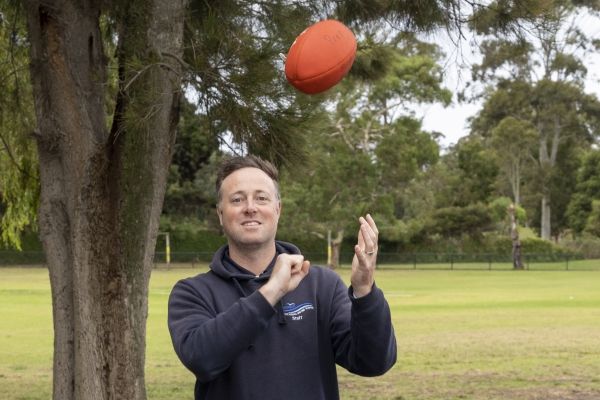
A Message from the PE Department Term 3
Whole School Swimming
Prep and Grade 3/4:
Swimming is scheduled to start week 5 of term, Monday 7th Aug and goes for eight days (Mon-Thurs) finishing on Thursday 17th. Consent and payment is up on Compass now.
Grade 3-6 House Athletics Day
The grade 3-6 House Athletics Day will be taking place in week 4 of this term (Thursday 3rd Aug). The day takes place at Ballam Park Athletics track with buses leaving school at approximately 9:15am. Students will stay with their classroom teacher and participate in 7 different athletics events. This is an opportunity for students to earn house points and will double as try outs to make the District Athletics Team.
More information on the day will be in next week’s newsletter. Please check Compass to make sure you have consented and paid for transport for your child(ren). All students on the day are encouraged to come dressed up in their house colours.
A Prep-grade 2 athletics day will take place at school in term 4. More information to come at the start of next term.
Footy Colours Day
Although it may seem a long way off, footy colours day will be taking place sometime towards the end of term (most likely last week of term). More information will be posted out closer to the date.
Grade 5/6
- The inter-school sport fixture for term 3 2023:
28th July: Away v Chelsea Heights Primary School
4th Aug: Home v Seaford Primary School
11th Aug: Away v Chelsea Primary School
18th Aug: Home v Carrum Primary School
25th Aug: Home v St. Louis Primary School
- In Physical Education lessons this term, grade 5/6 students will be participating in a short unit of athletics to get them prepared, and some practice in before the athletics day. For the second half of the term, we will be focussing on a unit of soccer. Students will have the opportunity to learn about rules, skills and game play of some athletics events and soccer.
Grade 3/4
- Grade 3/4 Swimming lessons have been scheduled to take place in week 5 and 6, starting Monday 7th Groups and times will be posted in the newsletter in week 4.
- In Physical Education lessons this term, the grade 3/4 students will be participating in a short unit of athletics to get them prepared, and some practice in before the athletics day. For the second half of the term, we will be focussing on a unit of basketball. Students will have the opportunity to learn about rules, skills and game play of some athletics events and football.
Grade 1/2
- In Physical Education lessons this term, the grade 1/2 students will be participating in a unit of basketball and netball. The first half of the term, students will be focussing on basketball and the second half of the term will be on netball. Students will have the opportunity to learn about rules, skills and some game play of both basketball and netball.
Prep
- This term, the preps have the opportunity to partake in organised swimming lessons that are held off school grounds at Mentone Girls Grammar. Lessons are 30 minutes in length and go for 8 days (commencing week 5 of term 3). Compass event is up now to consent and pay.
- In Physical Education lessons this term, the prep students will be continuing their learnings of fundamental movement skills (FMS) in a unit of jumping and balancing. Students will have the opportunity to learn about skills associated with jumping and balancing, experiment with new equipment and some FMS games that involve jumping and balancing.
'I can accept failure. Everyone fails at something. But I can’t accept not trying'. – Michael Jordan
Mr Mac.
Physical Education Teacher.
Student of the Week
Bonbeach Cookbook


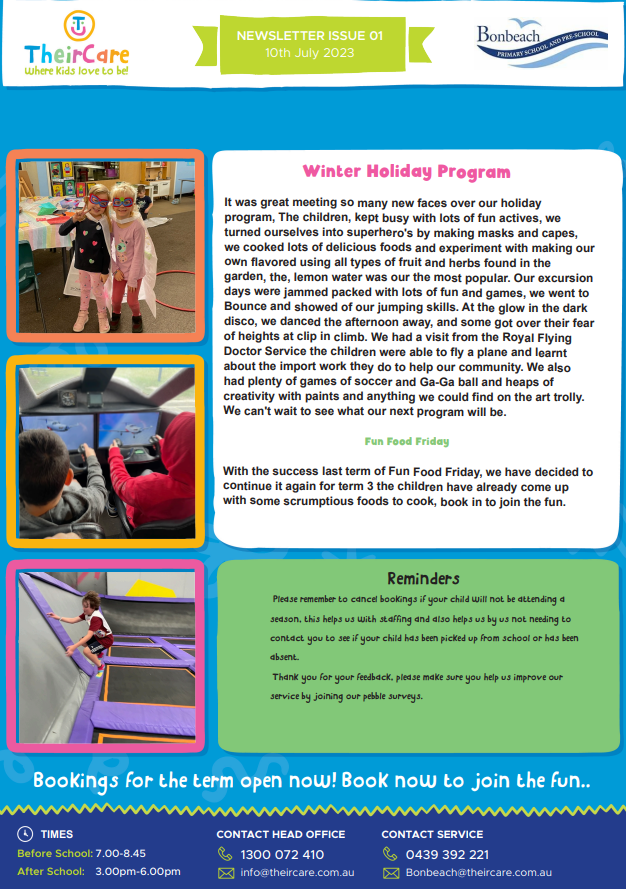
Theircare News
Final Reminder to register for ICAS Assessments
Dear Parents/Guardians,
We are delighted to inform you that Bonbeach Primary School will be participating in the world-renowned ICAS competitions again this year.
What is ICAS?
ICAS is an online academic competition that is designed to assess students’ higher order thinking and problem-solving skills in English, Mathematics, Science, Writing, Spelling Bee and Digital Technologies.
Each assessment celebrates students’ accomplishments by providing opportunities for recognition and development. Every student who participates will receive a printed certificate and an online results report. Top performers will be eligible for medals.
The 2023 online ICAS assessments will be held in Term 3 at Bonbeach Primary School on:
Assessment | Date | Cost |
Writing | Thursday August 10th | $23.65 (inc GST) |
English | Thursday August 17th | $19.25 (inc GST) |
Spelling Bee | Thursday August 24th | $19.25 (inc GST) |
Mathematics | Thursday August 31st | $19.25 (inc GST) |
We encourage you to consider entering your child into ICAS this year.
Learn more about ICAS here. (https://www.icasassessments.com/products-icas)
How to participate in ICAS
Parents register for one or more assessments online.
Please note payment cannot be made through the school office.
If you wish for your child to participate in ICAS this year, please:
- read about ICAS subjects and prices here:(https://www.icasassessments.com/products-icas)
- go to Parent Portal here: (https://shop.icasassessments.com/pages/pps)
- enter our school’s access code –VCO692
- enter your child’s details, select the tests you would like to purchase, then proceed to payment (you will receive an order confirmation email, please keep this for your records)
IMPORTANT: Please enter your child’s name accurately into the system. The details you enter will appear on your child’s ICAS certificate.
Online payment closes on Monday, July 24th 2023. LATE ENTRIES WILL NOT BE ACCEPTED.
Kind regards,
Jacqui Turner
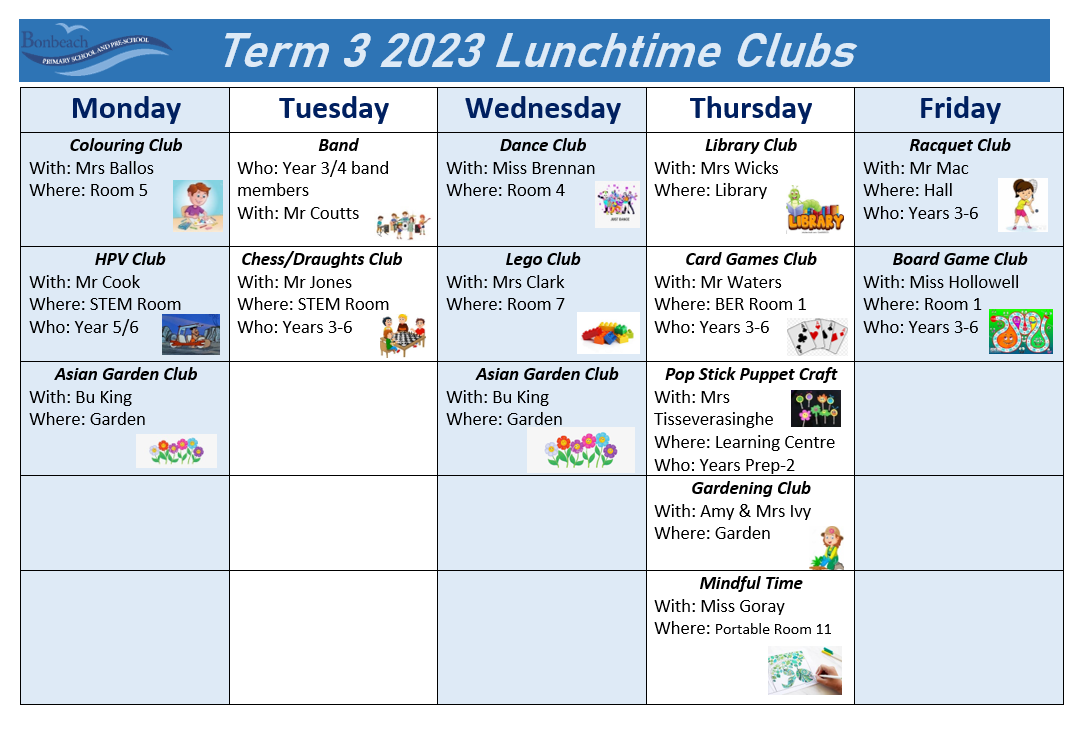
Updated Lunch Clubs

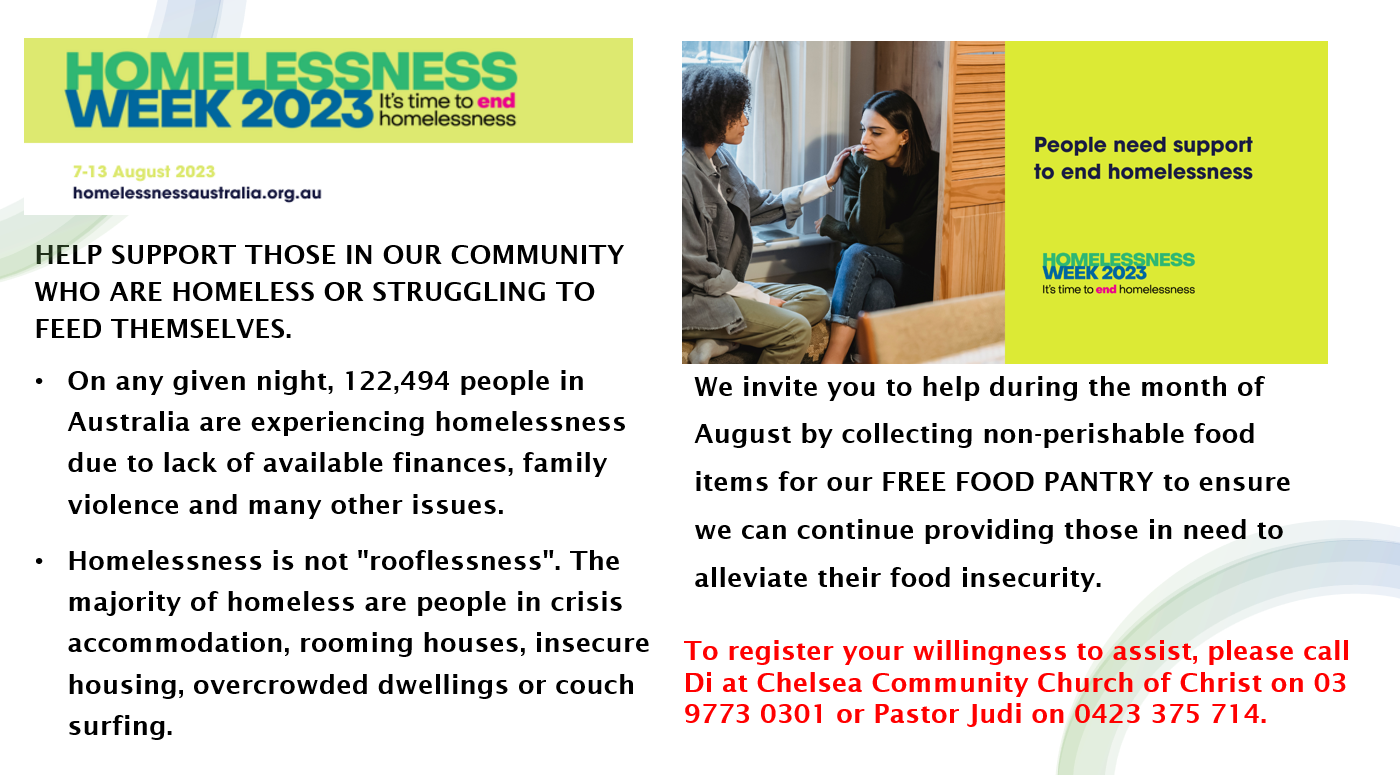
Community Announcements

Help Shape Kingston’s All Abilities Action Plan
City of Kingston is developing a new four-year All Abilities Action Plan. We want to hear from people with a disability and their carers, family members and friends. We’re focusing on making it easier for everyone to get around Kingston and access places like libraries, parks and shops. We want to make social activities, sports clubs and job opportunities more welcoming and inclusive for people with a disability. To find out more and to have your say, please visit https://www.yourkingstonyoursay.com.au/all-abilities-action-plan.